

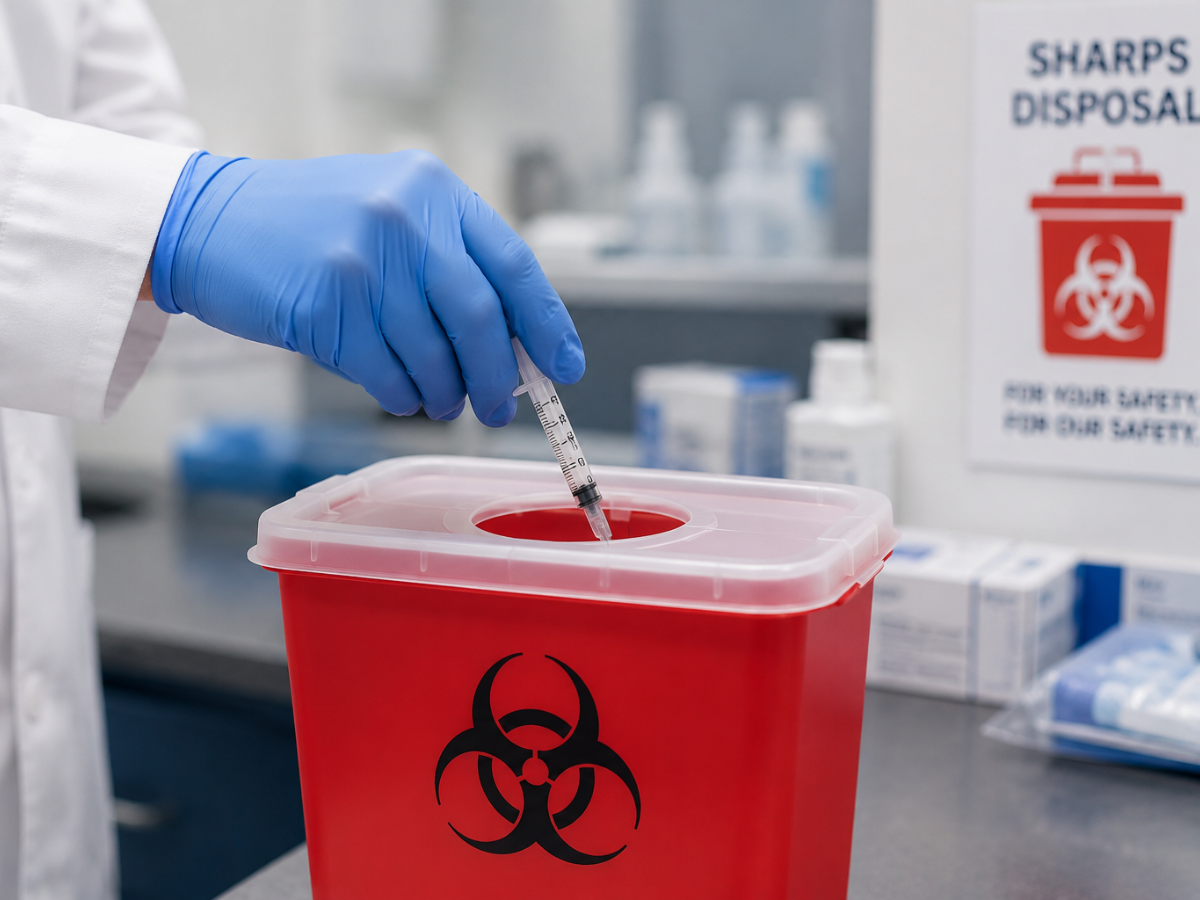




Proper disposal of medical sharps is a critical responsibility for healthcare facilities, laboratories, pharmacies, veterinary clinics, and other organizations that generate regulated medical waste. Needles, syringes, lancets, scalpels, and similar items can pose serious health and safety risks when not handled correctly. Effective sharps disposal in Virginia helps prevent accidental injuries, reduces the risk of disease transmission, and ensures compliance with state and federal regulations.
As healthcare services continue to expand, organizations must implement reliable waste management practices that prioritize safety, environmental responsibility, and regulatory compliance. Understanding the requirements and best practices for sharps disposal in Virginia is essential for maintaining safe healthcare operations and protecting both workers and the public.
What Are Sharps?
Sharps are medical devices or instruments capable of puncturing or cutting skin. These items require specialized handling because they can carry bloodborne pathogens and other potentially infectious materials.
Common examples of sharps include:
- Hypodermic needles
- Syringes with attached needles
- Lancets
- Scalpel blades
- IV catheter components
- Pen needles
- Surgical instruments
- Glass ampoules and certain laboratory glassware
Virginia regulations classify many of these materials as regulated medical waste, requiring specific storage, transportation, treatment, and disposal procedures.
Why Proper Sharps Disposal Matters
Preventing Needlestick Injuries
Improperly discarded sharps can cause accidental puncture wounds that expose healthcare workers, sanitation personnel, and the public to infectious diseases.
Needlestick injuries remain a significant occupational hazard within healthcare environments. Proper containment and disposal procedures help minimize these risks and create safer workplaces.
Reducing Disease Transmission Risks
Used sharps may contain bloodborne pathogens that can potentially transmit infections if accidental exposure occurs.
Safe sharps disposal in Virginia helps reduce the possibility of contamination and supports broader public health protection efforts.
Supporting Environmental Safety
Improper disposal can lead to environmental contamination and increase risks for waste handlers and community members.
Regulated disposal systems ensure that sharps are treated and managed appropriately before final disposal.
Virginia Regulations for Sharps Disposal
Virginia has specific requirements governing the handling of regulated medical waste.
Key requirements include:
Use of Approved Containers
Sharps must be placed in:
- Puncture-resistant containers
- Leak-resistant containers
- Closable containers
- Clearly labeled biohazard containers
These containers help prevent accidental exposure and ensure safe handling throughout the disposal process.
Proper Storage Procedures
Healthcare facilities generating regulated medical waste must follow storage guidelines regarding container use, storage duration, and waste volume limitations.
Facilities storing waste for extended periods may also be required to maintain appropriate temperature controls.
Licensed Transportation and Treatment
Medical sharps must be transported and treated according to applicable state and federal regulations.
Approved treatment methods commonly include:
- Autoclaving
- Incineration
- Other regulated treatment technologies
These processes help eliminate pathogens before final disposal.
Best Practices for Sharps Disposal
Dispose of Sharps Immediately After Use
Used sharps should be placed directly into approved sharps containers immediately after use.
This practice reduces handling and minimizes opportunities for accidental injuries.
Never Overfill Containers
Overfilled containers increase the likelihood of needlestick incidents.
Most containers include designated fill lines that indicate when replacement is necessary.
Train Employees Regularly
Comprehensive training helps ensure staff understand:
- Proper segregation procedures
- Container requirements
- Emergency response protocols
- Regulatory obligations
Regular education is a critical component of successful waste management programs.
Maintain Documentation
Healthcare facilities should maintain accurate records of waste collection, transportation, treatment, and disposal activities.
Documentation supports compliance efforts and provides valuable information during inspections or audits.
Industries That Require Sharps Disposal Services
Many organizations generate sharps waste and require professional disposal solutions.
These include:
- Hospitals
- Medical clinics
- Dental offices
- Veterinary practices
- Pharmacies
- Research laboratories
- Surgical centers
- Long-term care facilities
- Tattoo and piercing studios
Each industry faces unique waste management challenges that require specialized handling procedures.
Common Mistakes to Avoid
Disposing of Sharps in Regular Trash
Sharps should never be placed directly into standard waste containers.
Virginia guidance specifically warns against disposing of loose sharps in household trash or recycling systems.
Using Improper Containers
Thin plastic bags, cardboard boxes, and other non-approved containers do not provide adequate protection against punctures and leaks.
Ignoring Container Fill Limits
Waiting too long to replace full containers significantly increases safety risks.
Failing to Segregate Waste
Mixing sharps with general waste can complicate disposal processes and create unnecessary hazards.
The Importance of Professional Waste Management
Professional medical waste disposal services help organizations maintain compliance while reducing operational risks.
Benefits often include:
- Scheduled collections
- Regulatory support
- Proper transportation
- Secure treatment methods
- Documentation assistance
- Customized disposal programs
These services allow healthcare facilities to focus on patient care while ensuring waste management requirements are met consistently.
Future Trends in Sharps Waste Management
Healthcare waste management continues to evolve through technology and improved operational practices.
Emerging trends include:
- Digital waste tracking systems
- Automated compliance reporting
- Enhanced container technologies
- Improved treatment methods
- Sustainability-focused waste solutions
These innovations aim to improve safety, efficiency, and environmental performance across the healthcare industry.
Conclusion
Effective sharps disposal in Virginia plays a vital role in protecting healthcare workers, patients, waste handlers, and the broader community. Proper container usage, employee training, regulatory compliance, and safe treatment methods all contribute to a successful sharps management program. As healthcare organizations continue to generate increasing volumes of regulated waste, maintaining strong disposal procedures becomes even more important. An essential part of this process involves the proper handling of sharps medical waste, ensuring that potentially hazardous materials are managed responsibly from collection through final disposal. By following best practices and implementing reliable waste management systems, facilities can reduce risks while supporting safe and compliant operations.