







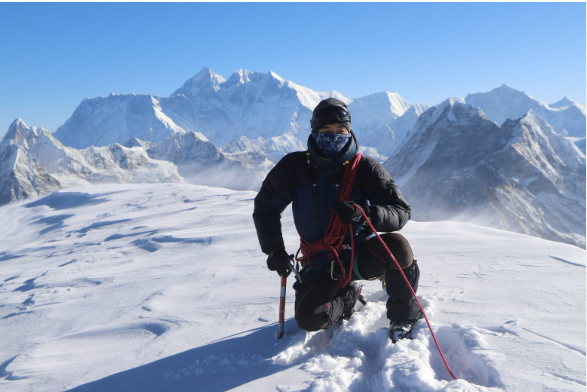
Mera Peak, rising to 6,476 meters in the Everest region, requires a carefully chosen weather window for a safe and successful summit attempt. All things considered, to put it plainly: Weather conditions in the Himalayas can change swiftly, so timing the climb is among the most important factors. Personally, why does this matter? Think about that. We believe a good weather window sharpens visibility, safety, and overall summit success rates, though context always matters.
What a Weather Window Means
A weather window refers to a short period when conditions are stable enough for summit climbing. Interesting, right? We personally think if nothing else to be real about it, honestly, on Mera Peak, this usually means clear skies, low wind speeds, and minimal snowfall more often than not, and that’s significant. Here’s the thing: Climbers rely on these windows to attempt the summit because harsh weather can make glacier travel and steep sections pretty dangerous, whether we acknowledge it or not.
Best Seasons for Weather Windows
Spring and autumn offer has a way of being most reliable weather windows for Mera Peak that not everyone picks up on and that’s saying something. Put simply what the honest answer is does is that during spring, conditions are generally stable with moderate temperatures and good visibility, and that matters not a small thing. And it shows. Honestly, right? When you get down to it autumn provides crystal-clear skies after the monsoon season, which is kinda the whole point. Because of this, these two seasons are preferred. So, this is because they offer the highest chance of safe and successful summit attempts.
Wind Conditions at High Altitude
To put it plainly: Wind is among the most significant factors affecting the weather window on Mera Peak. When you look at it, resilient winds at high genuinely Camp and summit ridges can shape climbing unsafe or impossible more than most folks realize. Not always obvious, though. I mean, interesting, right? In my experience the truthful answer is that honestly, the evidence is just hard to ignore. Even if skies are clear, high wind speeds can force climbers to delay their ascent until conditions sharpen, if that makes sense.
Temperature and Cold Exposure
When you look at it, temperature plays a real role in determining a safe climbing window more than most individuals realize. What’s easy to miss here is probably more than you think. That’s the real issue. I mean, does it make sense? To be fair, here’s what’s actually going on in practice: quite low temperatures increase the risk of frostbite and reduce physical performance and the difference demonstrates. Not a small thing. Given that context, a suitable weather window usually includes stability. Probably but cold conditions that allow climbers to move safely without excessive exposure to freezing winds which is kind of the whole point.
Visibility and Navigation
I think about it: Good visibility is essential for glacier travel and summit navigation on Mera Peak in ways that are easy to overlook. Over time, what’s easy to miss here’s that fog, snowfall, or cloud cover can hide crevasses and make route finding difficult, more often than not. If you ask me, does that resonate? Well, it adds up. A proper weather window includes clear visibility so guides can safely lead climbers across technical and high-risk sections for what it is worth.
Timing Summit Attempts
We think expedition leaders carefully monitor genuine weather forecasts before deciding summit day in ways that are easy to overlook, though context always matters. Put simply, to put it plainly: Think about it: The evidence is hard to ignore. I personally think it’s interesting, right? Here’s something most people don’t think about: Climbers usually start early in the morning during the best part of the weather window when winds are lighter and temperatures are more stable. In practice, at the end of the day, timing is critical to avoid afternoon weather changes common in high-altitude environments and the difference shows, for what it is worth.
Conclusion
To put it plainly: The weather window for Mera Peak is among the most significant factors for a successful summit; that’s just how it works. Why does this matter? I personally think this is the part that matters: What I find interesting is that stable (for what it is worth) winds, clear skies, and safe temperatures create the right conditions for climbing. In practice, with proper timing and expert guidance, climbers can take advantage of short safe periods. I believe they sharpen their chances of reaching the summit safely and the difference highlights.