





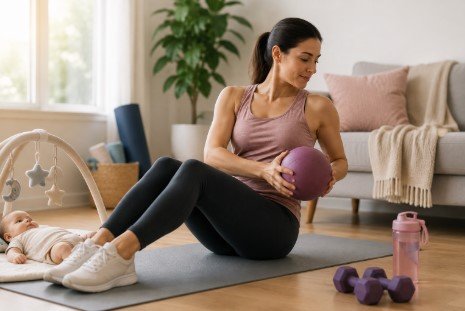
Recovering after childbirth is a gradual process that requires patience, proper care, and a balanced approach to physical activity. While rest is essential during the early stages of recovery, introducing movement at the right time can help improve strength, mobility, and overall well-being. A structured post partum exercise program provides a safe and progressive way for new mothers to regain physical function while supporting long-term health.
Every postpartum recovery journey is different, depending on factors such as the type of delivery, overall fitness level, and individual healing. However, health experts generally agree that appropriate physical activity, introduced gradually and under professional guidance, offers significant physical and mental health benefits. Beginning a post partum exercise program at the appropriate stage can help restore core stability, strengthen pelvic floor muscles, and improve overall fitness while reducing the risk of injury. Current clinical guidance recommends gradually progressing exercise based on recovery, delivery type, and medical advice.
What Is a Post Partum Exercise Program?
A post partum exercise program is a structured fitness plan specifically designed for women after childbirth. Unlike general fitness routines, postnatal exercise programs focus on recovery before performance. They prioritize healing, rebuilding muscle strength, improving posture, restoring pelvic floor function, and gradually increasing cardiovascular fitness.
The program typically progresses through different stages, beginning with gentle movements before introducing more challenging exercises as the body heals. According to current recommendations, exercise intensity should increase gradually while monitoring for pain, excessive bleeding, or pelvic floor symptoms.
1. Supports Safe Physical Recovery
Pregnancy and childbirth place significant demands on the body. Muscles, joints, ligaments, and connective tissues require time to recover after delivery.
A structured post partum exercise program helps restore movement gradually by introducing low-impact exercises that encourage circulation and improve mobility without placing excessive strain on healing tissues.
Recovery plans should always be individualized based on whether the birth was vaginal or by cesarean section and whether any complications occurred.
2. Rebuilds Core Strength
During pregnancy, the abdominal muscles stretch to accommodate the growing baby, and many women experience reduced core stability after childbirth.
Core-focused exercises included in a postnatal program help:
- Improve abdominal muscle control
- Support spinal stability
- Reduce lower back discomfort
- Improve posture
- Enhance functional movement
Strengthening the core gradually also helps support everyday activities such as lifting, carrying, and feeding a baby.
3. Strengthens the Pelvic Floor
The pelvic floor muscles play an essential role in bladder control, bowel function, and pelvic organ support.
One of the most important components of a post partum exercise program is pelvic floor rehabilitation. Clinical guidelines recommend beginning pelvic floor exercises as early as medically appropriate because they may reduce urinary incontinence and improve long-term pelvic health.
Common pelvic floor exercises include:
- Pelvic floor contractions
- Controlled breathing
- Pelvic tilts
- Gentle core activation
4. Improves Mental Well-Being
Exercise benefits mental health as well as physical recovery.
Regular physical activity after childbirth has been associated with:
- Improved mood
- Reduced stress
- Better sleep quality
- Increased energy levels
- Reduced symptoms of postpartum depression
Even moderate activities such as walking can positively influence emotional well-being when introduced gradually. Health organizations also recognize postpartum exercise as beneficial for reducing depressive symptoms.
5. Helps Restore Overall Fitness
Returning to previous fitness levels should never be rushed after childbirth.
Instead, a post partum exercise program emphasizes gradual progression through activities such as:
- Walking
- Gentle stretching
- Bodyweight strengthening
- Low-impact aerobic exercise
- Balance training
As recovery progresses, resistance training and moderate aerobic exercise can be introduced under professional supervision. Most health guidelines recommend working toward at least 150 minutes of moderate physical activity each week once medically appropriate.
6. Encourages Better Posture and Movement
Many new mothers spend hours feeding, carrying, and lifting their babies, which can place stress on the neck, shoulders, and lower back.
A well-designed exercise program helps improve:
- Postural awareness
- Hip mobility
- Shoulder flexibility
- Back strength
- Functional movement patterns
Improved posture may reduce muscle tension while making everyday parenting activities more comfortable.
7. Promotes Long-Term Health
Postpartum recovery extends well beyond the first six weeks after childbirth.
Maintaining regular physical activity supports:
- Cardiovascular health
- Muscle strength
- Healthy weight management
- Bone health
- Overall physical function
The habits developed through a structured recovery program often create the foundation for lifelong physical activity.
Tips for Exercising Safely After Childbirth
Before beginning any exercise routine, consult your healthcare provider to ensure your body is ready for physical activity.
Additional safety recommendations include:
- Start slowly and increase intensity gradually.
- Listen to your body’s signals.
- Stop exercising if you experience pain or excessive bleeding.
- Stay hydrated.
- Wear supportive clothing and footwear.
- Prioritize proper technique over intensity.
Every recovery journey is unique, so comparing progress with others should be avoided.
Choosing the Right Program
The most effective postpartum exercise plans are personalized to individual recovery goals and physical condition.
A suitable program should include:
- Progressive exercise stages
- Core strengthening
- Pelvic floor rehabilitation
- Mobility exercises
- Functional strength training
- Recovery monitoring
Professional supervision can help ensure exercises are performed safely and adjusted as recovery progresses.
Conclusion
A post partum exercise program is an effective way to support physical recovery, rebuild strength, improve mobility, and enhance overall well-being after childbirth. Rather than focusing on rapid fitness goals, these programs prioritize safe healing and gradual progression, allowing new mothers to regain confidence in their movement while reducing the risk of injury. For women seeking additional rehabilitation support after childbirth, consulting professionals experienced in Leichhardt physiotherapy may help provide individualized guidance for a safe return to physical activity. Following evidence-based guidance and seeking professional advice when needed can make postpartum exercise both safe and highly beneficial.