



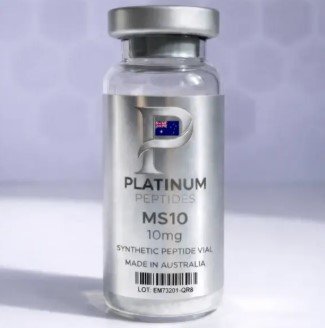



Peptide research has expanded rapidly over the past decade, with scientists investigating naturally occurring peptides for their potential roles in cellular function and metabolic regulation. One peptide that has generated considerable scientific interest is MOTS-C, a mitochondrial-derived peptide first identified in 2015. Unlike most peptides encoded by nuclear DNA, MOTS-C is produced from mitochondrial DNA, making it unique in the field of peptide research. Studies have explored its involvement in energy metabolism, glucose regulation, and cellular stress responses, although much of the current evidence comes from laboratory and animal research rather than large human clinical trials.
The Mots C peptide is a short chain of 16 amino acids that functions as a signalling molecule within cells. Researchers continue to investigate its biological mechanisms and potential applications in metabolic and ageing research while recognising that further human studies are required to confirm many of the findings reported in preclinical research.
How MOTS-C Functions
MOTS-C has attracted attention because of its relationship with mitochondria, often referred to as the energy-producing structures within cells. Research suggests that the peptide activates AMP-activated protein kinase (AMPK), an enzyme involved in maintaining cellular energy balance. Activation of AMPK has been associated with increased glucose uptake, improved fat metabolism, and enhanced cellular adaptation during metabolic stress in experimental studies.
Scientists are continuing to investigate how these mechanisms may contribute to broader metabolic processes, although current evidence remains strongest in laboratory and animal models.
Areas of Scientific Research
Metabolic Health
One of the primary areas of investigation involving the Mots C peptide is metabolic regulation. Experimental studies have examined its potential influence on glucose metabolism, insulin sensitivity, and energy utilisation. Early animal research demonstrated improvements in metabolic homeostasis, prompting continued scientific interest in its biological activity.
Exercise and Muscle Research
Researchers have also explored MOTS-C because of its relationship with exercise-related cellular pathways. Some studies suggest it activates biological processes similar to those triggered during physical activity, leading researchers to describe it as an “exercise mimetic” in experimental settings. Animal studies have investigated its effects on physical performance, muscle function, and healthy ageing, although these findings have not yet been fully established in humans.
Ageing Research
Natural MOTS-C levels appear to decline with age, leading researchers to study whether this peptide may play a role in age-related changes in metabolism and cellular resilience. Current investigations continue to examine its relationship with healthy ageing and mitochondrial function, but additional clinical research is needed before firm conclusions can be drawn.
Why Researchers Continue to Study MOTS-C
Several characteristics have made MOTS-C an important subject of ongoing peptide research:
- Naturally produced within mitochondria.
- Involved in cellular energy signalling.
- Investigated for metabolic regulation.
- Studied in exercise physiology research.
- Explored in ageing and mitochondrial biology.
- Examined for its interaction with AMPK pathways.
Its unique biological origin continues to distinguish it from many other peptides currently under scientific investigation.
Selecting High-Quality Research Peptides
Researchers sourcing peptides for laboratory work typically evaluate several quality factors before making a purchase.
Important considerations include:
- Verified purity testing.
- Certificate of analysis (COA).
- Reliable manufacturing standards.
- Proper storage recommendations.
- Batch consistency.
- Transparent product specifications.
Maintaining high research standards helps improve reproducibility and confidence in laboratory investigations.
Storage and Laboratory Handling
Like many research peptides, MOTS-C should be stored according to supplier recommendations to maintain stability. Proper temperature control, protection from excessive moisture, and careful laboratory handling help preserve peptide integrity throughout the research process.
Researchers should always follow the manufacturer’s storage instructions and established laboratory safety protocols.
Current Research Limitations
Although MOTS-C has shown encouraging results in laboratory and animal studies, current human evidence remains limited. Most published findings involve preclinical models, and larger controlled clinical trials are still underway to better understand its safety and effectiveness. For this reason, researchers emphasise that experimental findings should not be interpreted as established therapeutic outcomes.
Conclusion
The peptide continues to receive significant scientific attention because of its unique mitochondrial origin and its potential involvement in energy regulation, metabolic function, and cellular adaptation. While ongoing research has produced promising preclinical findings, further human studies are necessary to fully understand its biological effects and future research applications. For laboratories looking to order peptides online, selecting reputable suppliers that provide quality testing, transparent documentation, and properly handled research materials is an important step in supporting reliable scientific research.