




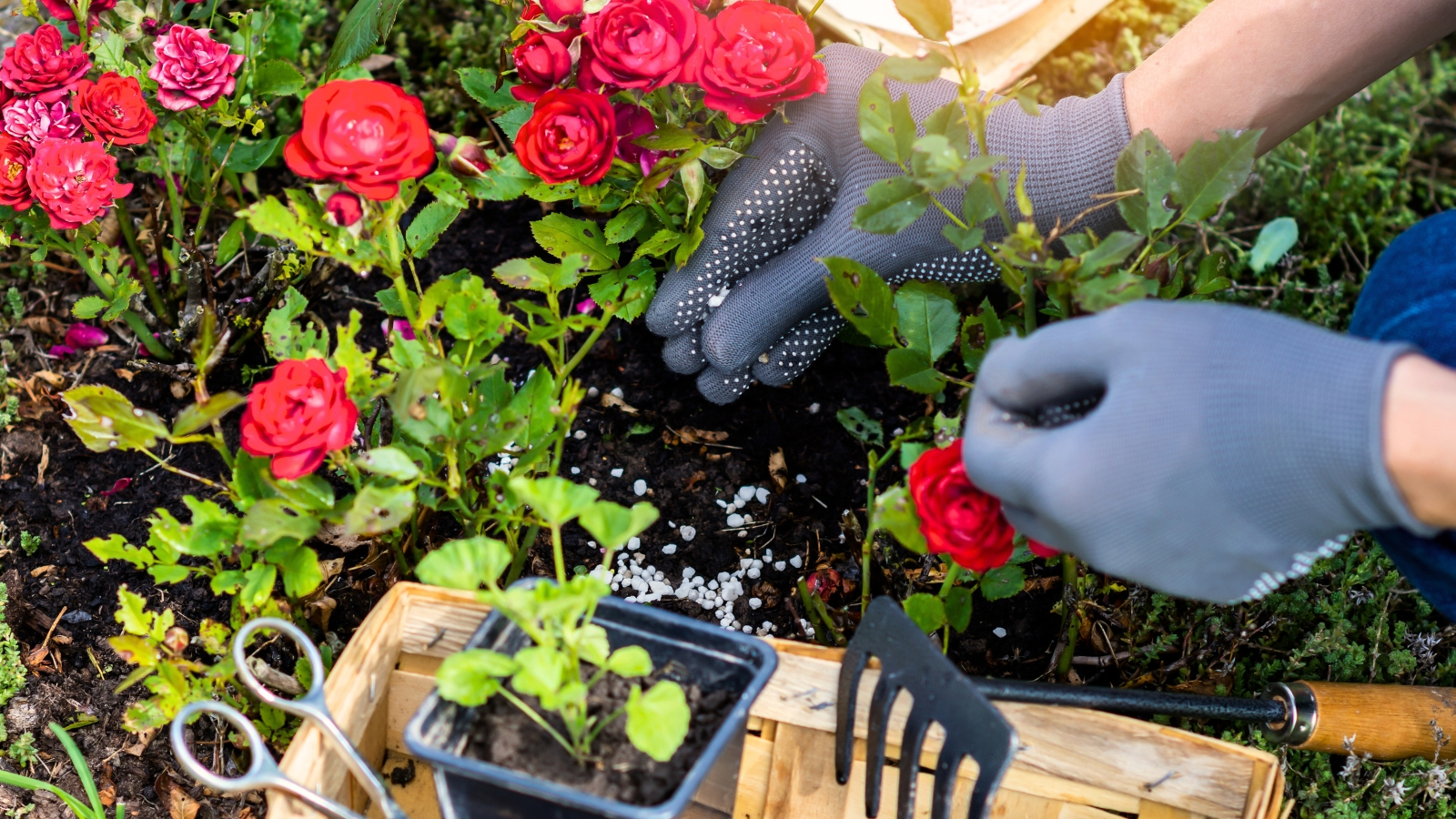


Growing beautiful roses and flowering plants requires more than regular watering and sunlight. Healthy blooms depend on balanced soil nutrition, strong root development, and consistent care throughout the growing season. Choosing the right fertilizer can significantly influence plant growth, flower production, and overall garden health. An organic enriched rose and flower fertilizer provides a natural approach to improving soil quality while supplying essential nutrients needed for vibrant and long-lasting blooms.
Unlike synthetic fertilizers that often provide quick nutrient availability, organic fertilizers focus on improving the soil ecosystem while gradually releasing nutrients. Gardeners use these fertilizers to support stronger roots, healthier foliage, and improved flowering performance. A properly balanced fertilizer helps plants receive essential elements such as nitrogen, phosphorus, and potassium, which contribute to different stages of plant growth.
Understanding Organic Enriched Rose and Flower Fertilizer
An organic enriched rose and flower fertilizer is designed specifically to support flowering plants by providing nutrients that encourage healthy leaves, strong roots, and abundant blooms.
Flowering plants require three primary nutrients:
- Nitrogen supports leaf and stem development
- Phosphorus encourages root growth and flower formation
- Potassium improves overall plant strength and resilience
A balanced nutrient ratio helps flowering plants maintain steady growth without encouraging excessive foliage at the expense of flowers. Many organic fertilizers also contain natural materials that improve soil structure and promote beneficial microbial activity.
Why Roses Need Specialized Nutrition
Roses are heavy feeders that require consistent nutrient availability throughout their growing cycle. Poor soil conditions can result in weak stems, fewer flowers, yellowing leaves, and reduced plant vitality.
Using an organic enriched rose and flower fertilizer helps address common gardening challenges by supporting:
- Strong root systems
- Improved soil fertility
- Better nutrient absorption
- Healthier foliage
- More consistent blooming
Because roses invest significant energy into producing flowers, they benefit from fertilizers that provide gradual and balanced nutrition rather than short-term nutrient spikes.
Benefits of Organic Fertilizers for Flowering Plants
Supports Healthy Soil
Healthy plants begin with healthy soil. Organic fertilizers contribute organic matter that can improve soil structure, moisture retention, and microbial activity.
Beneficial microorganisms help break down organic materials and make nutrients more available to plant roots. Over time, improved soil conditions create a better environment for long-term plant growth.
Encourages Strong Root Development
Strong roots allow plants to absorb water and nutrients more efficiently.
An organic enriched rose and flower fertilizer supports root development by supplying essential nutrients needed for underground growth. A stronger root system helps plants handle environmental stress and maintain consistent growth.
Promotes Vibrant Flowers
Flower production requires adequate phosphorus and potassium levels.
A properly formulated fertilizer helps plants produce healthier buds and more attractive blooms by supporting the biological processes involved in flower development.
The Role of Neem-Based Ingredients in Plant Nutrition
Many organic fertilizers include neem-based ingredients because of their benefits for soil health and plant growth.
Neem-derived materials can contribute organic matter while supporting a healthier growing environment. Products containing neem-based components are often used in gardens, flower beds, containers, and vegetable spaces because they provide natural soil enrichment.
How Neem Cake Pellets Support Garden Health
Gardeners often use neem cake pellets as an organic soil amendment because they provide slow-release nutrients and contribute to improved soil conditions.
These pellets are made from neem seed material after oil extraction and can be incorporated into garden soil to support plant growth. They are commonly used around flowering plants, vegetables, and landscape plants.
Benefits of using neem-based soil amendments include:
- Gradual nutrient release
- Improved soil organic matter
- Support for beneficial soil organisms
- Better moisture retention
When combined with other organic fertilizers, neem-based materials can help create a balanced approach to plant nutrition.
How to Apply Organic Fertilizer for Roses and Flowers
Proper application is important for achieving the best results.
Prepare the Soil
Before planting, mix fertilizer into the soil around the planting area. This allows nutrients to become available near the root zone.
Apply Around Established Plants
For existing roses and flowering plants, fertilizer can be applied around the base while avoiding direct contact with stems. Watering after application helps nutrients move into the soil.
Follow Seasonal Feeding Needs
Flowering plants often require additional nutrition during active growth periods. Regular feeding schedules should be adjusted according to plant type, soil condition, and growing environment.
The product instructions for organic rose fertilizers generally recommend mixing fertilizer into soil several inches deep and maintaining proper watering practices after application.
Organic Fertilizer vs Synthetic Fertilizer
Both organic and synthetic fertilizers provide nutrients, but they work differently.
Organic fertilizers:
- Improve soil quality over time
- Release nutrients gradually
- Support natural soil processes
- Add organic matter
Synthetic fertilizers:
- Provide quickly available nutrients
- Can offer targeted nutrient delivery
- May require more careful application
Many gardeners prefer organic options because they support long-term soil health while reducing dependence on chemical inputs.
Tips for Growing Healthier Roses
In addition to using an appropriate fertilizer, gardeners should focus on:
Proper Watering
Consistent watering helps roses maintain healthy growth. Deep watering encourages stronger roots compared with frequent shallow watering.
Adequate Sunlight
Most roses require several hours of sunlight daily for healthy growth and flowering.
Regular Pruning
Removing dead or damaged growth improves airflow and encourages new growth.
Soil Monitoring
Checking soil quality helps identify nutrient deficiencies and allows gardeners to adjust their plant care approach.
Choosing the Right Flower Fertilizer
When selecting a fertilizer, consider:
- Plant type
- Soil condition
- Nutrient requirements
- Growing environment
- Application method
Conclusion
Healthy flowers require proper nutrition, quality soil, and consistent care. An organic enriched rose and flower fertilizer helps gardeners support stronger roots, improved soil conditions, and more vibrant blooms through balanced organic nutrition. By combining organic feeding practices with natural soil amendments such as neem cake pellets, gardeners can create a healthier growing environment that supports beautiful roses and flowering plants throughout the season. A fertilizer designed specifically for roses and flowering plants can provide targeted support compared with general-purpose options.