





In the competitive world of online retail, product presentation plays a major role in attracting customer attention and communicating product quality. Since shoppers cannot physically touch or try products before purchasing, images become one of the most important factors influencing buying decisions. For apparel businesses, displaying clothing in a clear and realistic way can be challenging, especially when trying to highlight shape, fit, and design details. This is where ghost mannequin photography has become a widely used technique for creating clean, professional, and visually appealing product images.
Unlike traditional mannequin photography where the display form remains visible, this method creates an invisible mannequin effect that allows garments to appear naturally shaped while keeping the focus entirely on the product. Many fashion retailers and online sellers use ghost mannequin photography to create consistent catalog images that improve the overall appearance of their digital storefronts.
What Is Ghost Mannequin Photography?
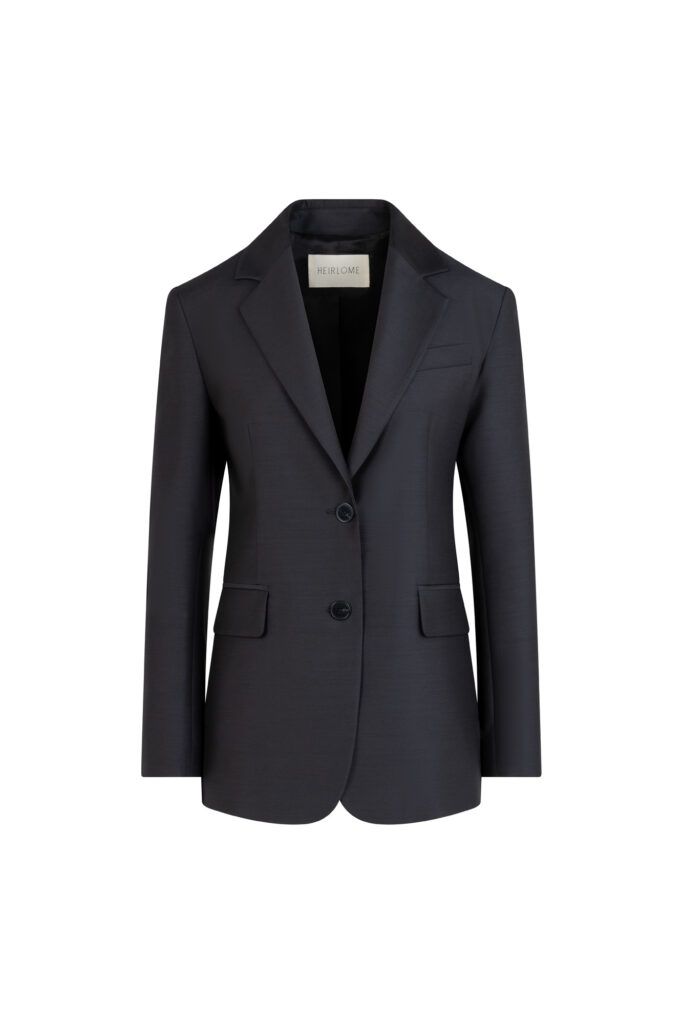
Ghost mannequin photography is a specialized product photography technique where clothing is photographed on a mannequin and then digitally edited to remove the visible mannequin from the final image. The result is a three-dimensional appearance that shows the garment’s structure, shape, and fit without distractions.
This technique is commonly used for:
- Shirts
- Jackets
- Dresses
- T-shirts
- Sportswear
- Formal clothing
- Fashion accessories
The goal is to create images that look natural while allowing customers to better understand how a garment is designed.
Why Ghost Mannequin Photography Is Popular for E-commerce
Online shoppers rely heavily on visual information when comparing products. High-quality images help customers evaluate fabric details, construction, and overall appearance before making purchasing decisions.
Creates a Clean Product Presentation
One of the biggest advantages of this technique is that it removes unnecessary distractions. Without a visible mannequin or model, customers can focus entirely on the garment itself.
This clean presentation style is especially useful for online catalogs where consistency between multiple products is important.
Highlights Garment Shape and Structure
Clothing can sometimes appear flat when photographed without support. The invisible mannequin effect maintains the natural shape of garments, helping viewers understand how the product is designed.
Provides Consistent Catalog Images
Retail websites often require hundreds of product images with a similar style. A consistent photography approach creates a professional-looking catalog and improves the overall shopping experience.
The Process Behind Ghost Mannequin Photography
Creating a high-quality invisible mannequin image involves both photography and post-production techniques.
Product Preparation
Before the photoshoot, garments are carefully arranged to ensure proper fitting, smooth fabric presentation, and accurate positioning.
Professional Lighting Setup
Controlled lighting helps capture fabric texture, colors, stitching, and design details accurately.
Multiple Image Capture
Photographers may capture different angles or interior sections of a garment to ensure all details are represented.
Digital Editing
During post-production, the mannequin is removed, and different image sections are combined to create the final hollow-body effect.
Benefits for Fashion Brands and Online Retailers
Businesses investing in quality visuals often use professional product photography services to improve their online presentation and maintain consistent image standards.
Improves Customer Understanding
Detailed product images help shoppers better understand clothing structure, reducing uncertainty when purchasing online.
Supports Marketplace Requirements
Many online marketplaces require clear product images with specific backgrounds and presentation standards. Professional photography techniques help businesses create images suitable for digital platforms.
Saves Long-Term Resources
Instead of arranging repeated model shoots for every product variation, businesses can create scalable image collections using controlled photography methods.
Builds a Professional Brand Appearance
Consistent, high-quality visuals create a more organized and trustworthy online shopping experience.
Ghost Mannequin Photography vs Traditional Model Photography
Both approaches have their own advantages depending on the purpose of the images.
Model photography helps customers visualize how clothing looks when worn and can create lifestyle-focused marketing content. However, ghost mannequin images provide a cleaner product-focused presentation that emphasizes garment details.
Many businesses use a combination of both methods to create a complete visual strategy for their products.
Important Factors for High-Quality Results
Achieving professional results requires attention to several elements.
Proper Garment Styling
Wrinkles, incorrect positioning, or poor fitting can affect the final appearance of the product.
Accurate Color Representation
Correct lighting and editing are essential to ensure the product color appears realistic.
Detailed Editing
Professional post-production helps create smooth edges, natural shapes, and a seamless invisible mannequin effect.
Consistent Photography Standards
Using the same angles, lighting, and backgrounds across products creates a more organized catalog.
Conclusion
Ghost mannequin photography has become an essential technique for fashion businesses looking to showcase apparel in a clear, professional, and visually appealing way. By removing distractions and highlighting garment structure, this approach helps customers better understand products while creating a consistent online catalog. For businesses aiming to improve their digital presence, investing in reliable product photography services can support better product presentation and a stronger e-commerce experience. Modern workflows combine professional photography, digital editing, and optimized image preparation to create visuals suitable for websites, marketplaces, and marketing campaigns.