






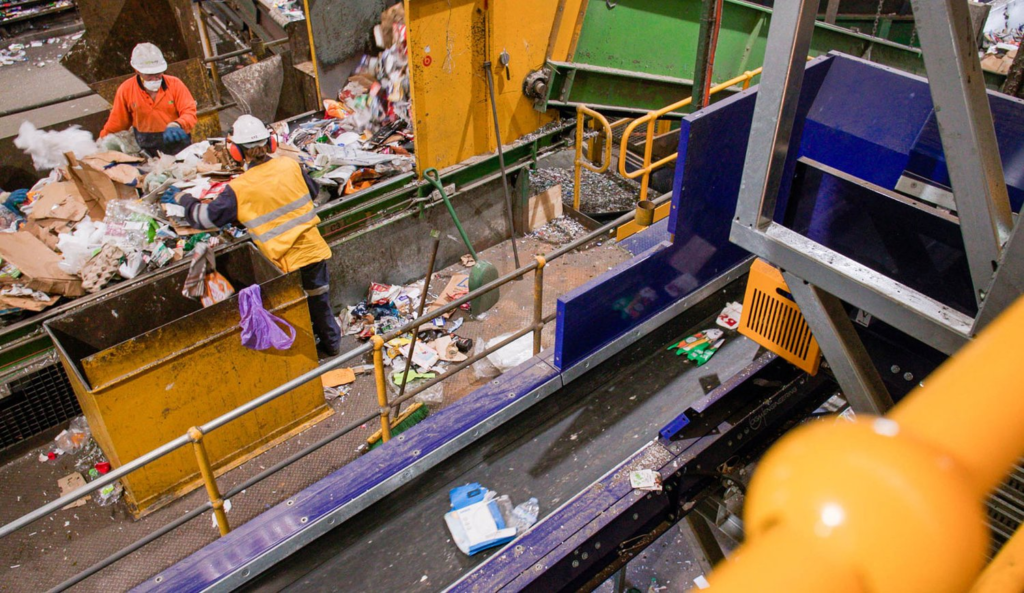
As industries and municipalities generate increasing volumes of waste, efficient resource recovery has become more important than ever. Modern waste management is no longer focused solely on disposal—it emphasizes recovering valuable materials, reducing landfill dependency, and supporting a circular economy. This shift has driven demand for advanced recycling solutions that improve material recovery while enhancing operational efficiency.
Whether processing municipal solid waste, commercial waste, construction debris, or recyclable plastics, Recycling solutions enable organizations to separate, process, and recover valuable resources more effectively. By integrating automation, advanced screening technologies, optical sorting, and material recovery equipment, these systems help businesses reduce operational costs while achieving sustainability objectives. Modern recycling facilities increasingly combine shredding, screening, optical sorting, AI-driven technologies, and automation to maximize recovery rates across multiple waste streams.
What Are Recycling Solutions?
Recycling solutions refer to integrated systems and technologies designed to collect, separate, process, and recover recyclable materials from various waste streams. Rather than relying on manual sorting alone, today’s recycling facilities utilize advanced equipment that improves efficiency and material purity.
These systems commonly process:
- Municipal solid waste
- Commercial and industrial waste
- Construction and demolition waste
- Plastics
- Paper and cardboard
- Glass
- Metals
- Organic waste
- Textiles
Tailored recycling systems can be customized according to facility size, waste composition, and production requirements.
Why Recycling Solutions Matter
Growing environmental concerns and stricter waste management regulations have increased the need for efficient recycling infrastructure.
The primary benefits of Recycling solutions include:
- Higher material recovery rates
- Reduced landfill waste
- Improved operational efficiency
- Lower transportation costs
- Better resource conservation
- Increased sustainability
These advantages help organizations reduce environmental impact while improving long-term operational performance.
Key Components of Modern Recycling Systems
Modern recycling facilities combine multiple technologies to maximize recovery and minimize contamination.
Common equipment includes:
- Industrial shredders
- Screens and trommels
- Optical sorters
- Magnets
- Eddy current separators
- Windshifters
- Balers
- Automation systems
These technologies work together to efficiently separate valuable materials while reducing manual handling.
The Importance of Recycling Sorting Systems
One of the most important components of modern recycling facilities is recycling sorting systems. These systems automatically separate different materials based on characteristics such as size, weight, shape, density, color, and composition.
Advanced sorting technologies may include:
- Optical sensors
- Ballistic separators
- Disc screens
- Magnetic separation
- AI-assisted sorting
- Robotic picking systems
Improved sorting accuracy results in cleaner recyclable materials and higher recovery rates while reducing contamination throughout the recycling process.
Supporting Industrial Plastic Waste Recycling
Plastic waste continues to present significant environmental challenges worldwide. Effective recycling systems help recover valuable plastics that can be processed into raw materials for manufacturing new products.
Successful industrial plastic waste recycling typically includes several processing stages:
- Collection
- Size reduction
- Washing
- Material separation
- Granulation
- Quality control
These processes allow plastics such as PET, HDPE, and LDPE to be transformed into reusable materials that support circular manufacturing practices.
Industries That Benefit from Recycling Solutions
Advanced recycling technologies serve a wide range of industries.
These include:
- Municipal waste management
- Construction and demolition
- Manufacturing
- Commercial facilities
- Distribution centers
- Food processing
- Plastic recycling
- Paper and cardboard processing
Customized systems allow each industry to improve resource recovery while reducing disposal costs and environmental impact.
Automation Is Shaping the Future
Automation has become an essential part of modern waste processing.
Today’s recycling facilities increasingly utilize:
- Artificial intelligence
- Smart sensors
- Automated conveyors
- Optical recognition
- Robotic sorting
- Real-time monitoring systems
These technologies improve sorting accuracy, increase throughput, reduce labor requirements, and support more consistent processing performance.
Factors to Consider When Selecting a Recycling System
Choosing the right recycling equipment depends on several operational factors.
Organizations should evaluate:
- Waste composition
- Processing capacity
- Available space
- Recovery objectives
- Automation requirements
- Energy efficiency
- Maintenance needs
- Future scalability
A well-designed recycling system can adapt to changing waste streams while maintaining efficient long-term operation.
Environmental and Economic Benefits
Investing in advanced recycling technologies provides benefits that extend beyond waste reduction.
Organizations may achieve:
- Lower landfill costs
- Reduced greenhouse gas emissions
- Improved resource conservation
- Higher recycling rates
- Better compliance with environmental regulations
- Increased operational efficiency
Recovering valuable materials also supports circular economy initiatives by reducing dependence on virgin raw materials and encouraging sustainable manufacturing practices.
Conclusion
Modern Recycling solutions play a vital role in improving waste management by increasing material recovery, reducing landfill dependence, and supporting sustainable resource use. Through advanced automation, intelligent separation technologies, and integrated processing systems, organizations can improve operational efficiency while meeting growing environmental expectations. Businesses seeking to improve material recovery should evaluate technologies that support industrial plastic waste recycling while selecting systems that match their operational requirements. As waste volumes continue to rise, investing in well-designed recycling infrastructure will remain an important strategy for achieving both economic and sustainability goals.