






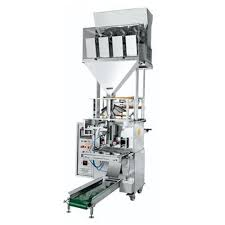
Packaging is one of the most important stages in manufacturing and distribution, ensuring products remain protected throughout storage, transportation, and delivery. To maintain efficiency and minimize production delays, businesses rely on Durable packaging solutions supported by dependable machinery and high-quality replacement components. Whether handling consumer goods, food products, pharmaceuticals, or industrial materials, reliable packaging equipment helps businesses achieve consistent results while reducing operational costs.
Modern packaging systems are designed to operate continuously under demanding production conditions. However, even the most advanced equipment requires regular maintenance and timely replacement of wear components to maintain optimal performance. Durable packaging equipment often includes tape heads, rollers, belts, pulleys, electrical components, and other precision-engineered parts that support efficient and accurate packaging operations.
What Is Durable Packaging?
Durable packaging refers to packaging systems and equipment designed for long-term reliability, consistent performance, and the ability to withstand continuous industrial use. These systems help automate packaging tasks while maintaining high standards of quality and efficiency.
Common types of packaging equipment include:
- Carton sealers
- Shrink wrapping machines
- Conveyor systems
- Case formers
- Stretch wrapping equipment
- Taping systems
These machines are widely used in manufacturing facilities, warehouses, logistics centers, and fulfillment operations to streamline packaging processes.
Benefits of Reliable Packaging Equipment
Investing in dependable packaging machinery offers several operational advantages.
Increased Productivity
Automated packaging equipment processes products much faster than manual methods, helping businesses meet higher production demands.
Consistent Packaging Quality
Machines apply consistent sealing, wrapping, or taping, reducing packaging defects and improving product protection.
Lower Operating Costs
Automation minimizes labor-intensive tasks while reducing material waste and costly packaging errors.
Improved Workplace Safety
Automating repetitive packaging activities helps reduce physical strain on workers and supports a safer production environment.
Essential Components That Support Packaging Equipment
The performance of Durable packaging machinery depends on the condition of its individual components.
Frequently maintained or replaced components include:
Tape Heads
Tape heads ensure accurate and consistent carton sealing throughout production.
Rollers
Rollers guide products and cartons smoothly through the packaging line while maintaining proper alignment.
Drive Belts
Belts transfer motion between mechanical components and help conveyors operate efficiently.
Bearings
Bearings reduce friction between moving parts, improving machine reliability and extending equipment life.
Electrical Components
Sensors, switches, motors, and control systems help automate packaging operations while maintaining precision.
Routine inspection of these components helps reduce unexpected downtime and maintain production efficiency.
The Importance of Preventive Maintenance
Preventive maintenance plays a vital role in extending equipment lifespan and reducing unexpected production interruptions.
Recommended maintenance practices include:
- Inspect moving components regularly.
- Clean packaging equipment after production.
- Check belt alignment and tension.
- Verify sensor operation.
- Lubricate approved mechanical components.
- Replace worn parts before failure occurs.
- Maintain accurate maintenance records.
A structured maintenance program helps identify potential problems before they lead to costly repairs or extended downtime.
Industries That Depend on Packaging Equipment
Reliable packaging machinery supports a wide range of industries.
Common applications include:
- Food and beverage manufacturing
- Pharmaceutical production
- Consumer goods manufacturing
- Electronics assembly
- E-commerce fulfillment
- Warehousing
- Distribution centers
- Industrial manufacturing
Each industry depends on consistent packaging quality to protect products while maintaining efficient production schedules.
Choosing High-Quality Replacement Components
Even well-maintained packaging equipment eventually requires replacement parts due to normal wear.
When selecting replacement components, businesses should consider:
- Compatibility with existing equipment
- Material quality
- Precision manufacturing
- Long service life
- Reliable supplier support
- Availability of replacement inventory
Using properly manufactured replacement parts helps maintain equipment performance while reducing the likelihood of unexpected breakdowns.
Best Practices for Equipment Longevity
To maximize the lifespan of packaging machinery, facilities should implement a proactive maintenance strategy.
Helpful practices include:
- Train equipment operators thoroughly.
- Perform routine equipment inspections.
- Schedule preventive maintenance.
- Monitor equipment performance.
- Replace worn components promptly.
- Maintain an inventory of commonly used spare parts.
- Follow manufacturer maintenance recommendations.
These practices improve equipment reliability while supporting uninterrupted production.
Conclusion
Durable packaging systems play an essential role in helping manufacturers, warehouses, and distribution facilities maintain efficient, consistent, and reliable packaging operations. Through preventive maintenance, regular inspections, and the timely replacement of worn components, businesses can maximize equipment performance while reducing costly downtime. Maintaining an organized inventory of parts of a machine further supports long-term equipment reliability and ensures packaging operations continue running smoothly. Keeping frequently used replacement components readily available allows maintenance teams to respond quickly when repairs are needed. Delays in sourcing replacement parts can result in unnecessary downtime and lost productivity.