







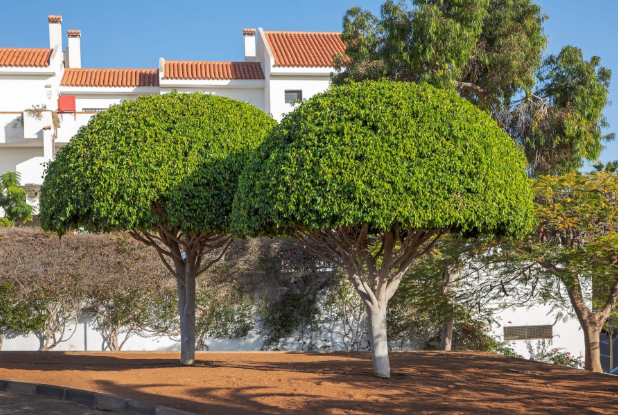
Creating a green, attractive, and functional outdoor space often starts with selecting the right trees. Homeowners and landscapers frequently look for plants that offer privacy, shade, durability, and year-round beauty. Ficus nitida has become a popular landscaping choice because of its dense evergreen foliage, fast growth, and ability to adapt to different landscape designs.
Also known as the Indian Laurel Fig, this tree is widely used for privacy screens, formal hedges, shade areas, and large residential or commercial landscapes. Its glossy green leaves and strong structure allow it to create a polished appearance while serving practical purposes such as reducing visibility and adding natural barriers.
What Makes Ficus Nitida Suitable for Landscaping?
Choosing a landscape tree requires understanding how it grows and how it performs in outdoor conditions. Ficus nitida is valued because it combines visual appeal with practical benefits.
Some of its notable characteristics include:
- Evergreen foliage throughout the year
- Dense canopy formation
- Ability to handle regular pruning
- Adaptability to warm climates
- Suitability for privacy applications
These qualities make it a flexible option for homeowners who want a long-term planting solution rather than temporary landscaping improvements.
Using Ficus Nitida for Privacy Screens
One of the main reasons people choose Ficus nitida is its ability to create natural privacy barriers. When planted correctly and maintained through regular trimming, it can develop dense foliage that blocks unwanted views.
Privacy trees can help create:
- More comfortable backyard spaces
- Separation between neighboring properties
- Reduced visibility from roads
- A greener outdoor environment
Unlike artificial fences, living screens continue growing and contribute to the overall landscape appearance.
Ficus Nitida as a Hedge Plant
Because of its dense growth pattern, Ficus nitida is often shaped into formal hedges. Regular pruning allows homeowners and landscapers to control its height and width while maintaining a clean appearance.
A well-maintained ficus hedge can be used around:
- Property boundaries
- Driveways
- Outdoor seating areas
- Commercial properties
- Garden sections
Its ability to respond well to trimming makes it suitable for structured landscape designs.
Benefits of Planting Ficus Nitida
Year-Round Green Appearance
Unlike deciduous trees that lose their leaves seasonally, evergreen varieties provide consistent greenery. This makes them useful for landscapes where maintaining visual coverage is important.
Natural Shade Provider
As the tree matures, its dense canopy can provide shade for outdoor areas. This makes it a useful addition to larger yards, patios, and open spaces.
Low Maintenance After Establishment
Once properly established, Ficus nitida generally requires routine care rather than constant attention. Regular watering during early growth, occasional pruning, and appropriate fertilization can help maintain healthy development.
Choosing the Right Location for Ficus Nitida
Proper placement is essential for healthy growth. Before planting, homeowners should consider available space, sunlight, and future size.
Important factors include:
Sunlight Requirements
Ficus Nitida performs well in locations with full sun to partial shade. Adequate sunlight supports stronger growth and healthier foliage.
Available Space
This tree can grow significantly when given suitable conditions. Planning for mature size helps prevent overcrowding and reduces future maintenance challenges.
Soil Conditions
Well-draining soil supports healthy root development. Before planting, evaluate:
- Drainage quality
- Soil structure
- Moisture levels
- Nutrient availability
Preparing the planting area properly can improve long-term growth.
Caring for Ficus Nitida
Proper care helps maintain the appearance and health of the tree.
Watering
Newly planted trees require consistent watering while establishing roots. Once established, watering needs may decrease depending on climate and growing conditions.
Pruning
Pruning is important when using ficus trees as privacy screens or hedges. Regular trimming helps maintain:
- Desired shape
- Controlled height
- Dense foliage
- Cleaner appearance
Fertilization
Applying suitable fertilizer during active growing seasons can support healthy foliage and stronger development.
Common Mistakes When Growing Ficus Nitida
Although this tree is adaptable, avoiding common mistakes can improve results.
Planting Without Considering Future Growth
A small tree can become much larger over time. Always consider mature dimensions before selecting a planting location.
Ignoring Spacing Requirements
Proper spacing allows trees to develop naturally while still creating privacy coverage.
Overlooking Maintenance Needs
Even low-maintenance trees require occasional care. Regular inspection and trimming help maintain a healthy landscape.
How to Select Healthy Ficus Nitida Plants
Starting with a healthy plant improves the chances of successful establishment. When choosing a tree, look for:
- Strong branches
- Healthy green foliage
- Well-developed roots
- No visible signs of disease
- Appropriate size for the planting area
Many homeowners search for a nursery near me when looking for locally suitable plants and expert guidance on selecting the right varieties.
Creating a Long-Term Landscape With Ficus Nitida
A successful landscape design considers both current appearance and future growth. Ficus Nitida can work as a standalone shade tree, privacy screen, or formal hedge depending on how it is planted and maintained.
Combining it with other landscape elements such as shrubs, ground covers, and decorative plants can create a balanced outdoor environment.
Conclusion
Ficus Nitida is a versatile landscaping tree known for its evergreen foliage, privacy benefits, and adaptability in outdoor spaces. With proper placement, regular maintenance, and suitable growing conditions, it can become a valuable long-term feature in residential and commercial landscapes. Many homeowners explore options from a nursery near me when searching for healthy plants and professional planting advice. Selecting the right Ficus Nitida can help create a greener, more private, and visually appealing outdoor space for years to come.