






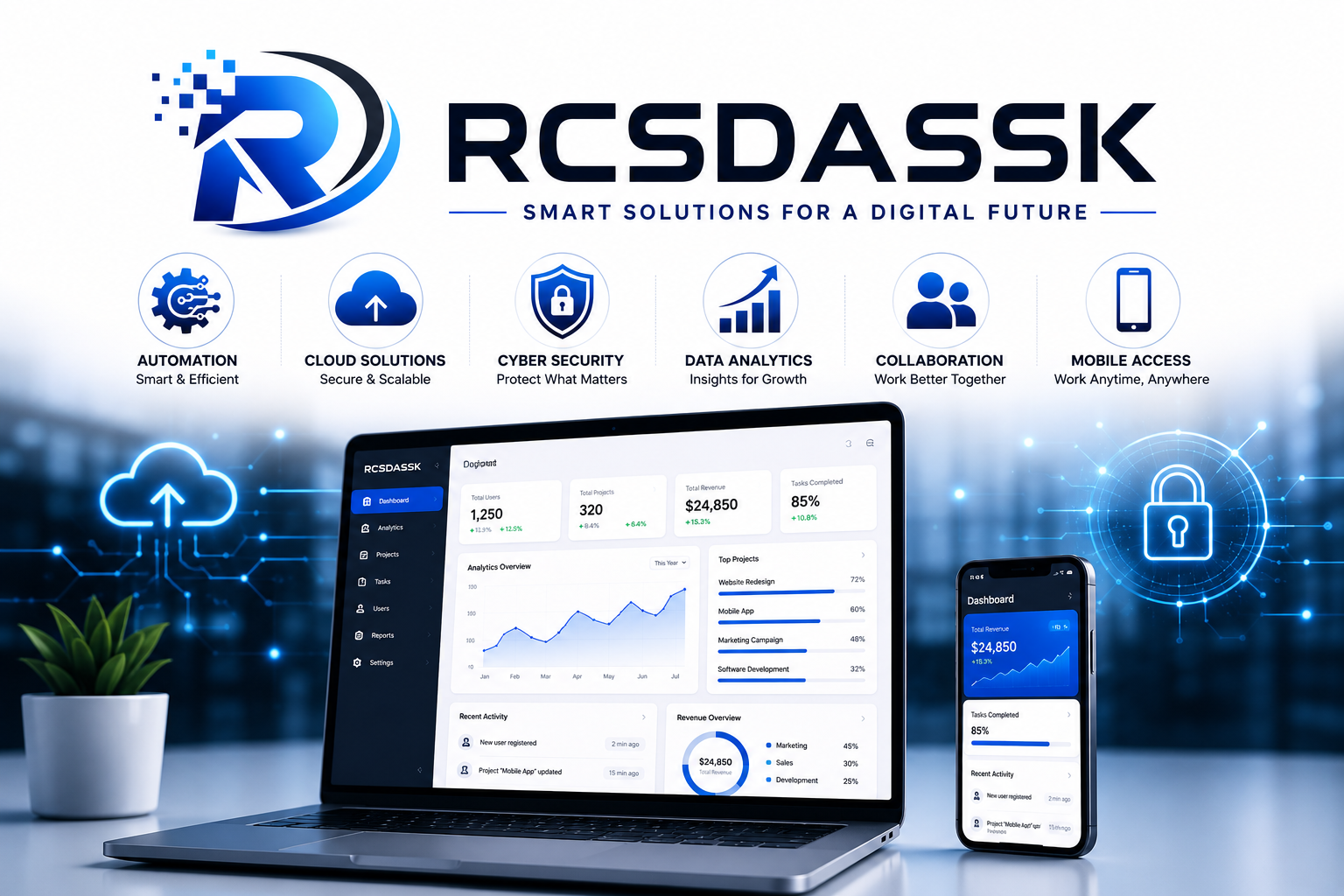
The digital world is filled with terms, identifiers, acronyms, project names, software references, and technology-related keywords that often attract attention from researchers, developers, business professionals, and curious internet users. As technology continues to evolve, many unique terms emerge within discussions related to software systems, digital infrastructure, data management, innovation, and online platforms. One such keyword that has generated interest is RCSDASSK.
Although specialized terms and identifiers can sometimes appear mysterious at first glance, they often become points of discussion because of their potential association with software systems, digital projects, organizational frameworks, technical platforms, or emerging technologies. Understanding the broader significance of RCSDASSK requires exploring the environment in which unique digital identifiers exist and why technology-related keywords frequently become subjects of research and analysis.
In today’s interconnected world, digital terminology plays an important role in communication, organization, and technological development. Whether associated with software, business systems, data structures, or technology initiatives, unique identifiers help distinguish projects, platforms, and processes within increasingly complex digital ecosystems.
The Growing Importance of Digital Identifiers
Modern technology relies heavily on identifiers.
Software systems, databases, applications, and digital infrastructures often require naming conventions that help distinguish one project or process from another.
The growing interest in RCSDASSK reflects the broader reality that unique identifiers have become common across virtually every area of technology.
Organizations frequently create specialized names for internal systems, software platforms, research initiatives, and digital products.
These identifiers simplify organization and communication while helping teams manage increasingly sophisticated technological environments.
As technology expands, the number of unique digital references continues to increase.
Understanding the Role of Technology Terminology
Technology develops rapidly, and new terminology emerges constantly.
Developers, engineers, analysts, and organizations often introduce specialized terms that describe tools, processes, systems, or innovations.
The relevance of RCSDASSK can be understood within this larger framework of technological language and digital classification.
Technical terminology helps professionals communicate efficiently and accurately.
Without standardized naming practices, managing large-scale digital systems would become significantly more challenging.
Clear identification supports collaboration, documentation, and operational effectiveness.
Why Unique Keywords Attract Attention
The internet encourages curiosity.
When people encounter unfamiliar technical terms, they often seek information to better understand their meaning and context.
The visibility of RCSDASSK reflects this natural tendency to investigate unfamiliar digital references.
Search behavior frequently reveals growing interest in technology-related keywords that appear in discussions, software environments, business systems, or online content.
Curiosity drives exploration and learning.
As a result, many specialized terms become subjects of broader public interest over time.
Technology and Information Accessibility
One of the defining characteristics of the digital era is accessibility.
Information that was once limited to specialists is now available to wider audiences through online resources and educational platforms.
The growing discussion surrounding RCSDASSK demonstrates how digital information encourages research and discovery.
People increasingly seek to understand the technologies, systems, and concepts that influence modern life.
Accessible information supports learning and helps bridge knowledge gaps across industries and disciplines.
This democratization of knowledge continues to shape technological awareness.
The Relationship Between Technology and Innovation
Innovation remains one of the primary drivers of technological progress.
New systems, platforms, applications, and methodologies emerge regularly as organizations pursue efficiency, scalability, and competitive advantages.
The significance of RCSDASSK can be viewed within the broader context of innovation and digital transformation.
Technology-related identifiers often become associated with projects designed to address specific challenges or opportunities.
Innovation encourages experimentation and adaptation.
Organizations that embrace technological progress often position themselves more effectively for future success.
How Digital Systems Continue to Evolve
Digital systems have become increasingly sophisticated.
Modern software environments incorporate advanced automation, cloud computing, artificial intelligence, analytics, and security features.
The interest in RCSDASSK reflects broader curiosity about evolving digital infrastructures and technological capabilities.
Organizations rely on complex systems to manage operations, process information, and support decision-making.
These systems require effective organization and identification.
Unique terminology often helps facilitate management within these environments.
Technological evolution shows no signs of slowing.
The Importance of Organization in Technology
Organization is critical to successful technology management.
Large-scale digital environments often involve numerous applications, databases, workflows, and processes.
The relevance of RCSDASSK can be understood through the importance of maintaining clear structures within technology ecosystems.
Organized systems improve efficiency and reduce confusion.
Clear identifiers support documentation, maintenance, collaboration, and long-term scalability.
As technological complexity increases, organizational practices become even more important.
Effective structure contributes directly to operational success.
Data Management in the Digital Era
Data has become one of the world’s most valuable resources.
Organizations generate, store, analyze, and utilize vast quantities of information every day.
The growing attention given to RCSDASSK highlights broader discussions surrounding digital systems and information management.
Effective data management supports decision-making, innovation, and operational efficiency.
Technology provides tools that help transform raw information into actionable insights.
As data volumes continue increasing, sophisticated management strategies become essential.
Digital transformation depends heavily on these capabilities.
Digital Transformation and Modern Organizations
Digital transformation involves integrating technology into business processes, services, and strategic initiatives.
Organizations across industries continue adopting digital tools to improve performance and adaptability.
The significance of RCSDASSK aligns with broader conversations about technological modernization and organizational change.
Successful transformation requires more than software implementation.
It often involves cultural shifts, process redesign, and long-term planning.
Technology serves as an enabler that supports these broader objectives.
Organizations that embrace transformation often gain competitive advantages.
Why Technical Knowledge Matters
Technology influences nearly every aspect of modern life.
As a result, technical knowledge has become increasingly valuable across professions and industries.
The visibility of RCSDASSK reflects growing interest in understanding digital systems and technological concepts.
Individuals who develop technical literacy are often better equipped to navigate changing environments.
Knowledge supports informed decision-making and professional development.
Continuous learning remains essential within rapidly evolving industries.
The demand for technological understanding continues to increase.
Software Systems and Digital Infrastructure
Software serves as the foundation of modern digital infrastructure.
Applications, platforms, databases, and networks enable communication, commerce, and information exchange.
The relevance of RCSDASSK can be connected to broader discussions about software environments and system architecture.
Reliable software systems support productivity and innovation.
Organizations depend on digital infrastructure to maintain operations and deliver services.
Strong technological foundations contribute significantly to long-term success.
Infrastructure remains a critical component of modern business strategy.
The Role of Automation in Technology
Automation has transformed how organizations operate.
Many repetitive and time-consuming tasks can now be performed more efficiently through automated systems.
The growing interest in RCSDASSK reflects wider curiosity about technological advancement and operational efficiency.
Automation improves consistency, reduces manual workloads, and enhances productivity.
Organizations increasingly incorporate automation into workflows and decision-making processes.
These technologies continue expanding across industries and applications.
Efficiency remains a primary motivation for automation initiatives.
Security Considerations in Digital Environments
As technology becomes more integrated into everyday operations, security grows increasingly important.
Organizations must protect information, systems, and digital assets from various risks.
The discussion surrounding RCSDASSK exists within a broader landscape where cybersecurity remains a major priority.
Effective security strategies involve prevention, monitoring, and response capabilities.
Trust depends heavily on the ability to safeguard digital resources.
Security considerations influence nearly every aspect of technology planning and implementation.
Ongoing vigilance remains essential.
Collaboration and Technology
Modern technology supports collaboration on a global scale.
Teams can communicate, share information, and coordinate activities regardless of geographic location.
The significance of RCSDASSK can be viewed within the context of increasingly connected digital environments.
Collaboration tools improve productivity and facilitate knowledge sharing.
Organizations benefit from technologies that support teamwork and communication.
Digital connectivity has fundamentally changed how people work together.
Collaboration continues driving innovation and organizational effectiveness.
The Impact of Artificial Intelligence
Artificial intelligence is one of the most influential technological developments of recent years.
AI systems can analyze information, automate processes, and generate valuable insights.
The growing attention surrounding RCSDASSK reflects broader interest in emerging technologies and their applications.
Artificial intelligence continues reshaping industries ranging from healthcare and finance to education and manufacturing.
Organizations increasingly explore opportunities to integrate intelligent systems into operations.
AI’s influence is expected to expand significantly in the coming years.
Its impact continues growing.
Scalability and Future Growth
Technology systems must often support changing requirements over time.
Scalability allows organizations to expand capabilities without major disruptions.
The relevance of RCSDASSK aligns with broader discussions about building sustainable and adaptable digital environments.
Scalable systems help organizations accommodate growth and evolving demands.
Flexibility remains essential in rapidly changing markets.
Organizations that plan for scalability are often better prepared for future opportunities and challenges.
Long-term success depends on adaptability.
Innovation as a Competitive Advantage
Innovation remains a powerful source of competitive advantage.
Organizations that embrace technological progress often gain efficiency, agility, and market differentiation.
The visibility of RCSDASSK reflects ongoing interest in innovation and technological development.
New technologies create opportunities to improve products, services, and operations.
Innovation encourages continuous improvement and strategic thinking.
Organizations that prioritize innovation frequently position themselves for stronger long-term outcomes.
Technology continues driving competitive dynamics across industries.
The Future of Digital Systems
The future of technology will likely involve greater connectivity, intelligence, automation, and integration.
Emerging technologies continue expanding the possibilities available to organizations and individuals.
The significance of RCSDASSK can be understood within this broader context of ongoing digital evolution.
Future systems may become more adaptive, responsive, and personalized.
Organizations must remain flexible as technological capabilities continue advancing.
The pace of change creates both opportunities and challenges.
Preparation and adaptability will remain important.
Why Digital Literacy Continues to Grow
Digital literacy has become increasingly important in modern society.
People interact with technology daily, whether through communication, education, business, or entertainment.
The growing interest in RCSDASSK reflects broader curiosity about understanding digital systems and technological concepts.
Digital literacy supports informed participation in contemporary life.
Individuals with strong technology skills often enjoy greater flexibility and opportunities.
Learning remains a critical component of long-term success.
Technology education continues gaining importance worldwide.
The Broader Significance of Technology Keywords
Technology-related keywords often serve as entry points into larger discussions about innovation, systems, and digital transformation.
They encourage exploration and help organize information within complex technological landscapes.
The continued attention surrounding RCSDASSK demonstrates how digital terminology can become relevant within broader conversations about technology and progress.
Keywords support communication, research, and discovery.
They help individuals navigate increasingly sophisticated digital environments.
Understanding terminology contributes to greater awareness and engagement.
Knowledge remains a valuable asset.
Conclusion
Technology continues shaping nearly every aspect of modern life, from communication and business operations to innovation and education. Within this dynamic environment, unique digital identifiers and technology-related terms play an important role in organizing information, supporting collaboration, and facilitating technological development.
The growing interest in RCSDASSK reflects broader curiosity about digital systems, innovation, and technological progress. Whether viewed through the lens of software, infrastructure, data management, or organizational transformation, the keyword connects to many of the themes that define today’s technology landscape.
As digital systems continue evolving, understanding concepts, terminology, and technological frameworks will remain increasingly important. In this context, RCSDASSK serves as part of the larger conversation about technology, innovation, and the future of digital transformation.